What mileage is too high for a used vehicle?

Shoppers usually pick a mileage ceiling first and filter everything else around it. It is an understandable instinct and a poor one. The odometer tells you how far a vehicle has traveled, not how it was treated along the way, and treatment is what determines whether the next 50,000 miles are quiet or expensive.
The benchmark, and why it is only a benchmark
American drivers cover somewhere around 12,000 to 15,000 miles a year. Multiply that out and a 2018 model with roughly 100,000 miles is unremarkable for its age. That gives you a reference point for whether a vehicle was driven hard, garaged, or something in between. It does not tell you whether the oil was changed.
Highway miles and city miles are different miles
A vehicle that spent its life running I-70 and I-435 between Independence and Overland Park has fewer cold starts, fewer heat cycles, and far less brake and transmission wear per mile than one that crawled Prospect Avenue and Truman Road on a delivery route.
A 120,000 mile highway commuter can easily be in better mechanical shape than an 80,000 mile city vehicle. Ask how the vehicle was used before you judge the number attached to it.
What to check instead of the odometer
- Service records, and whether oil changes happened on a schedule or whenever someone remembered
- Whether the engine uses a timing belt or a chain, and if it is a belt, whether the replacement interval has passed
- Transmission fluid condition, and whether it has ever been serviced at all
- Rust on frame rails, rocker panels, and brake lines, which is the real cost of Missouri road salt
- Tire tread and brake life, since both are immediate out of pocket expenses
- How it behaves on a genuine cold start rather than after the lot warmed it up
Rough expectations by range
- Under 75,000 miles: most major service intervals are still in front of you, and you pay for that in the price
- 75,000 to 110,000 miles: usually the best balance of price and remaining life if maintenance was kept up
- 110,000 to 150,000 miles: workable, but budget for suspension components, fluids, and wear items
- Over 150,000 miles: viable with strong documentation, genuinely risky without it
How mileage looks on our lot
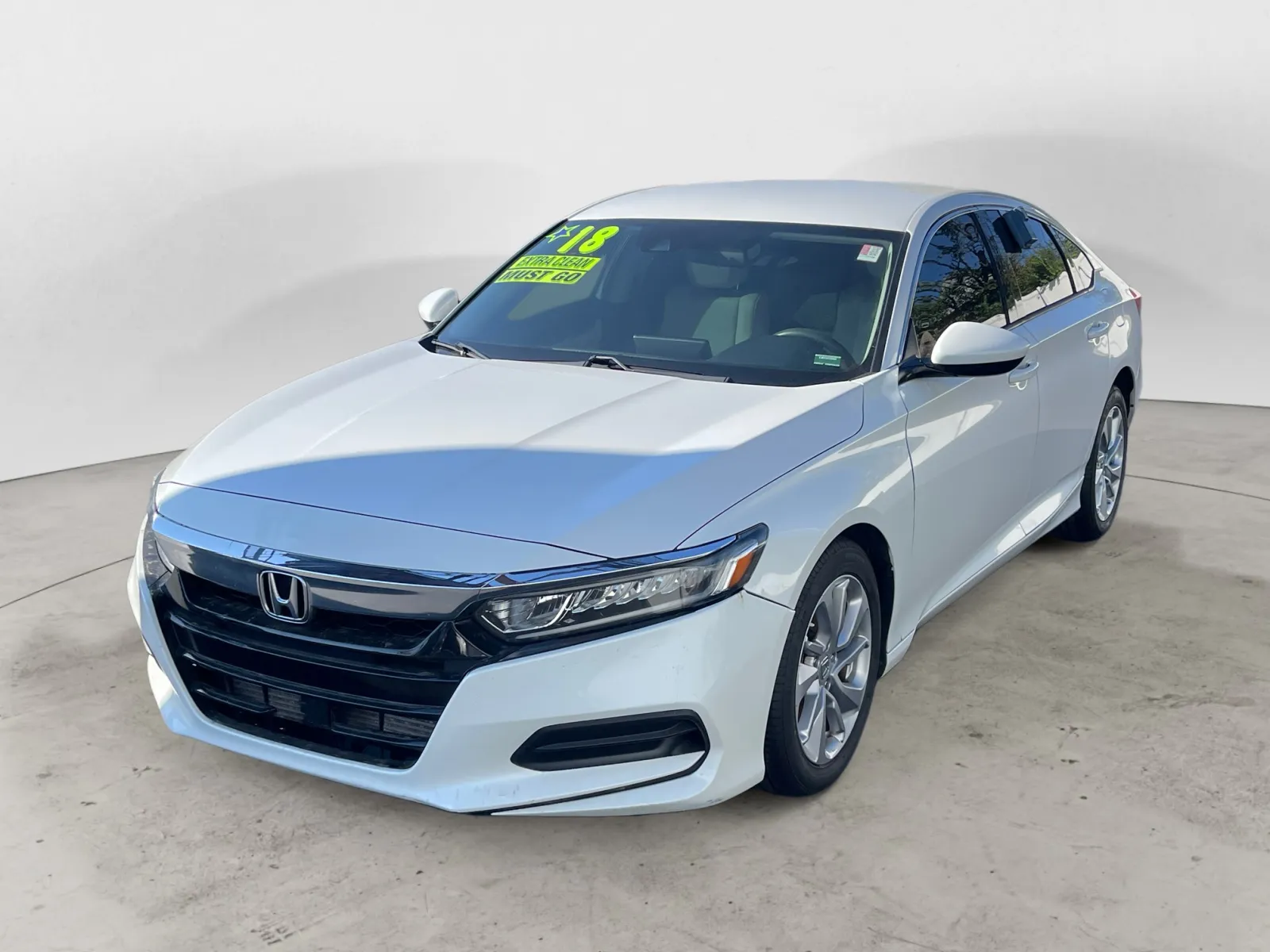
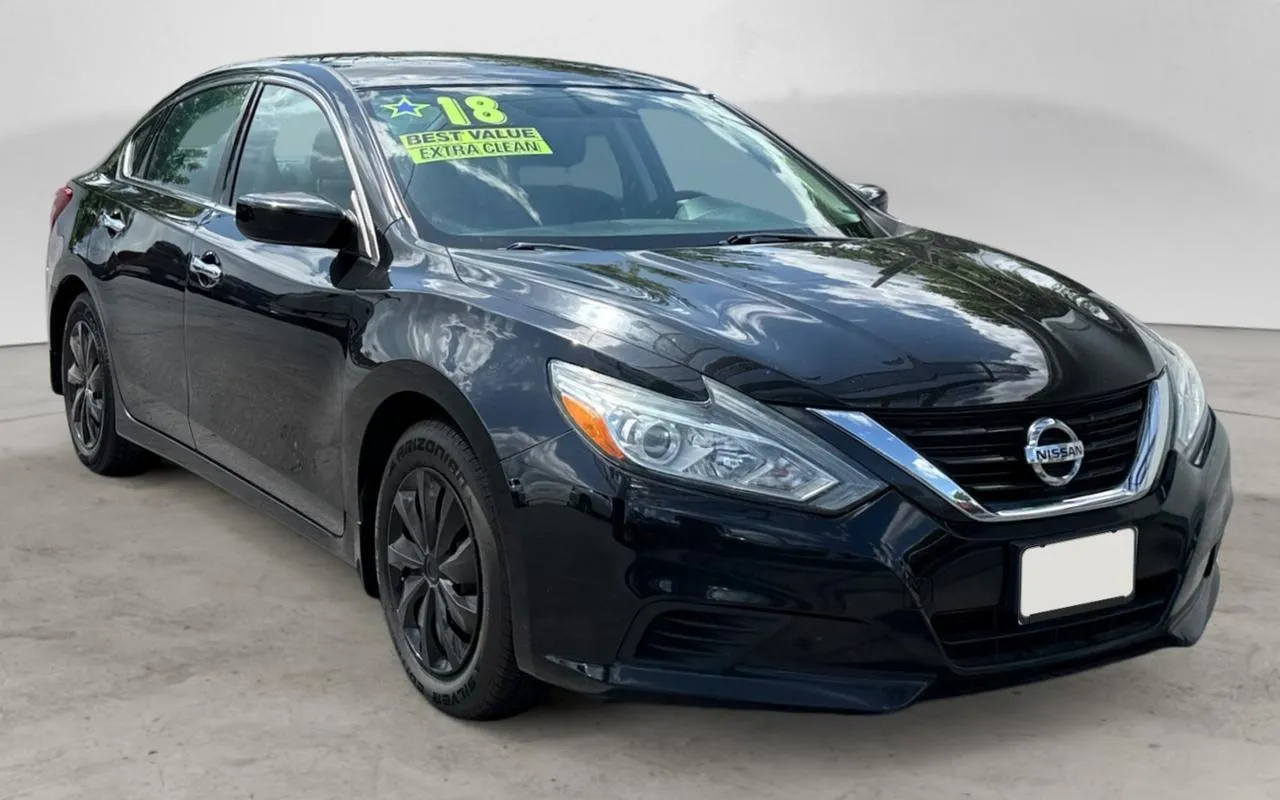
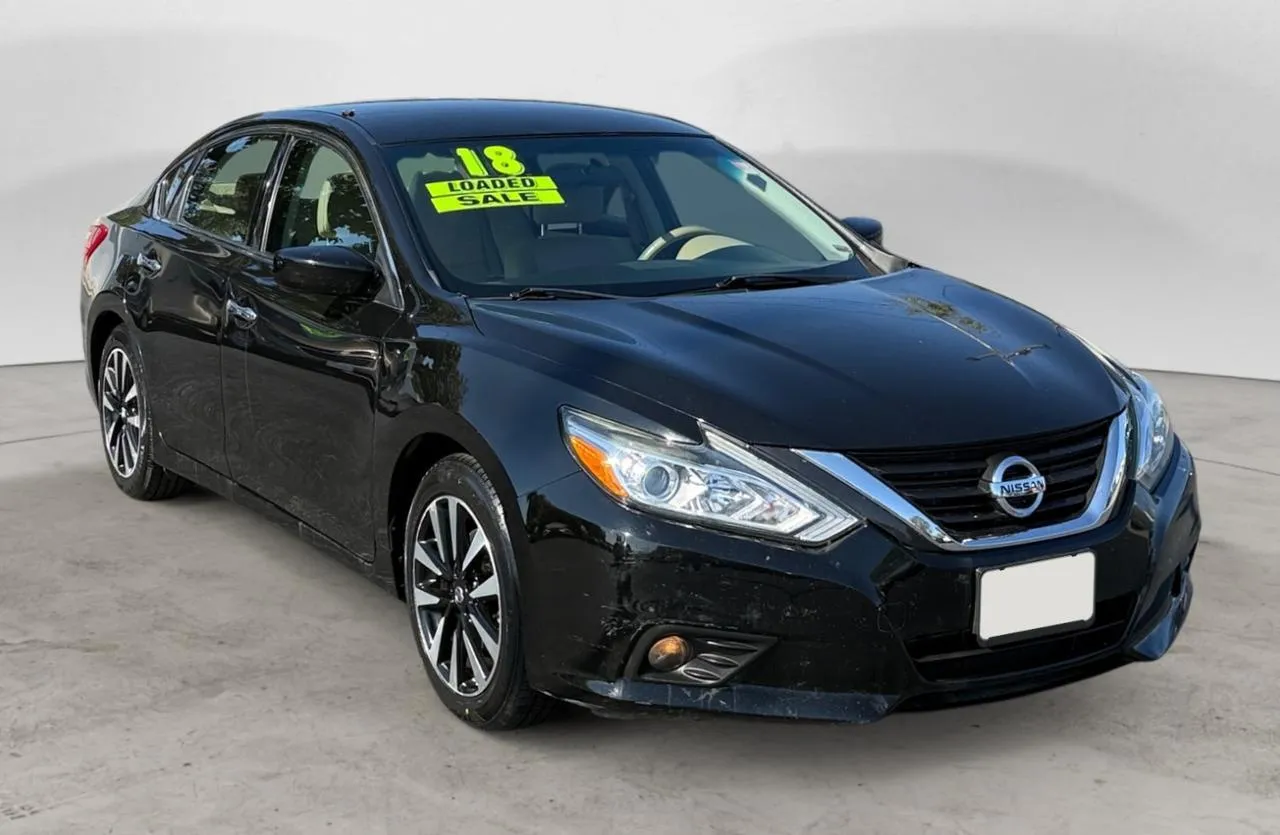
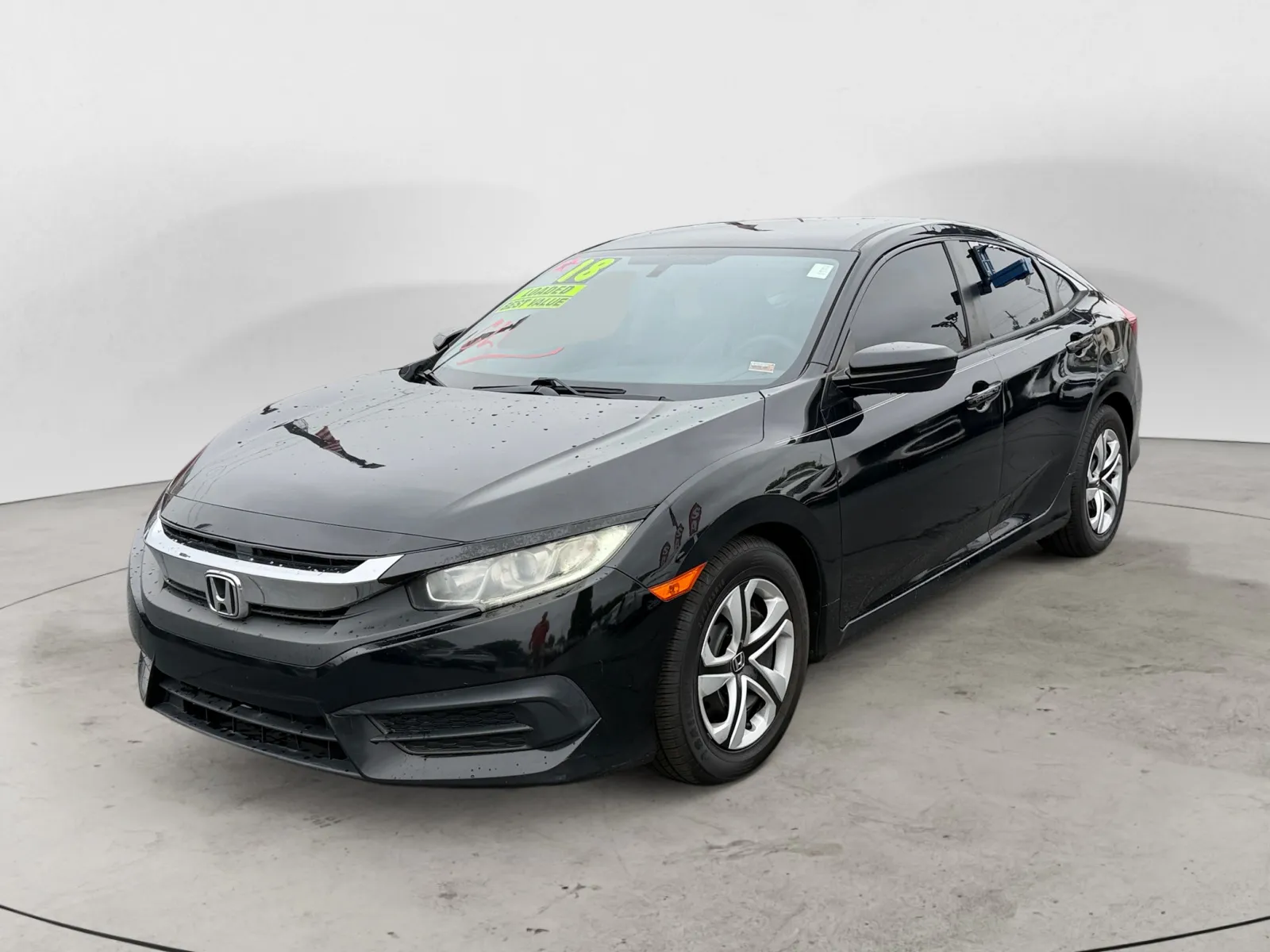
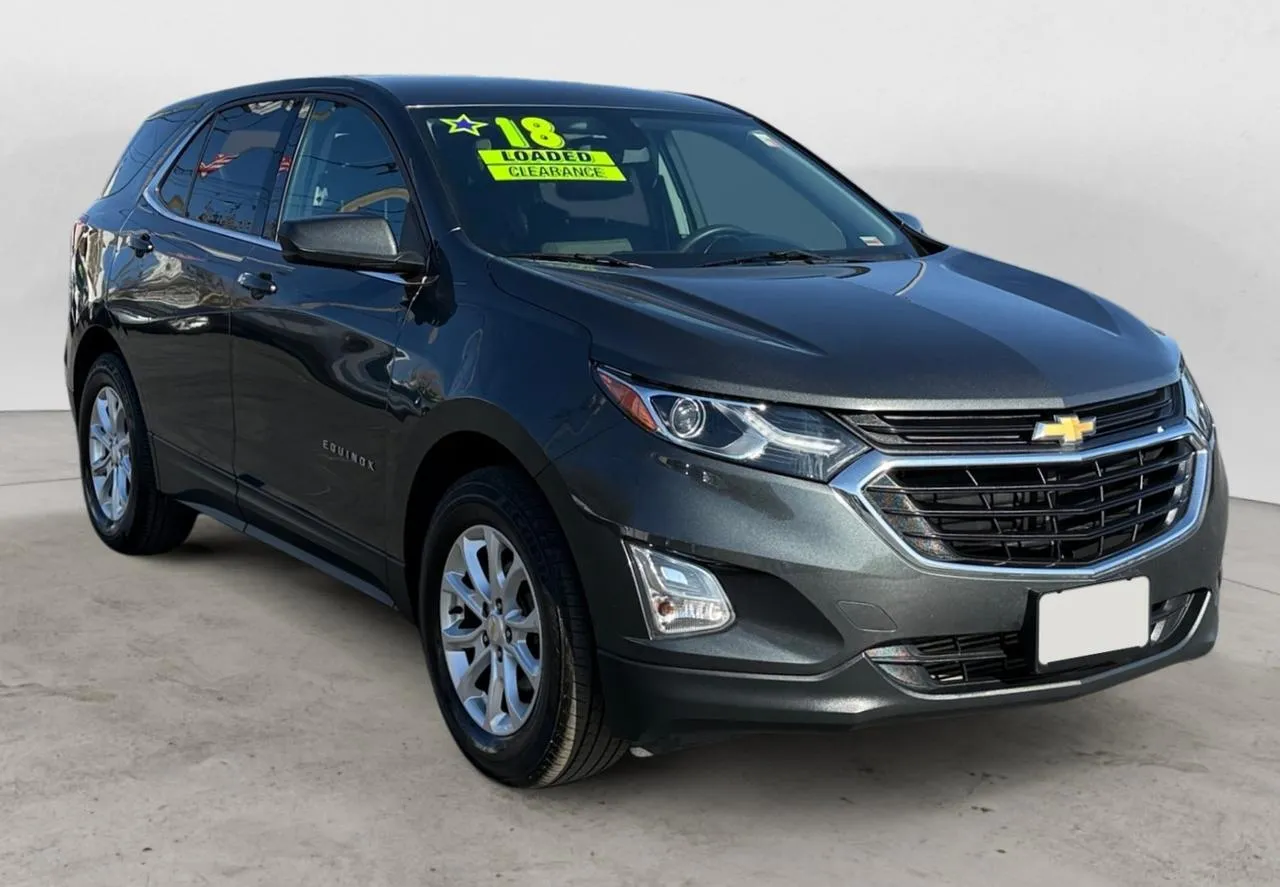
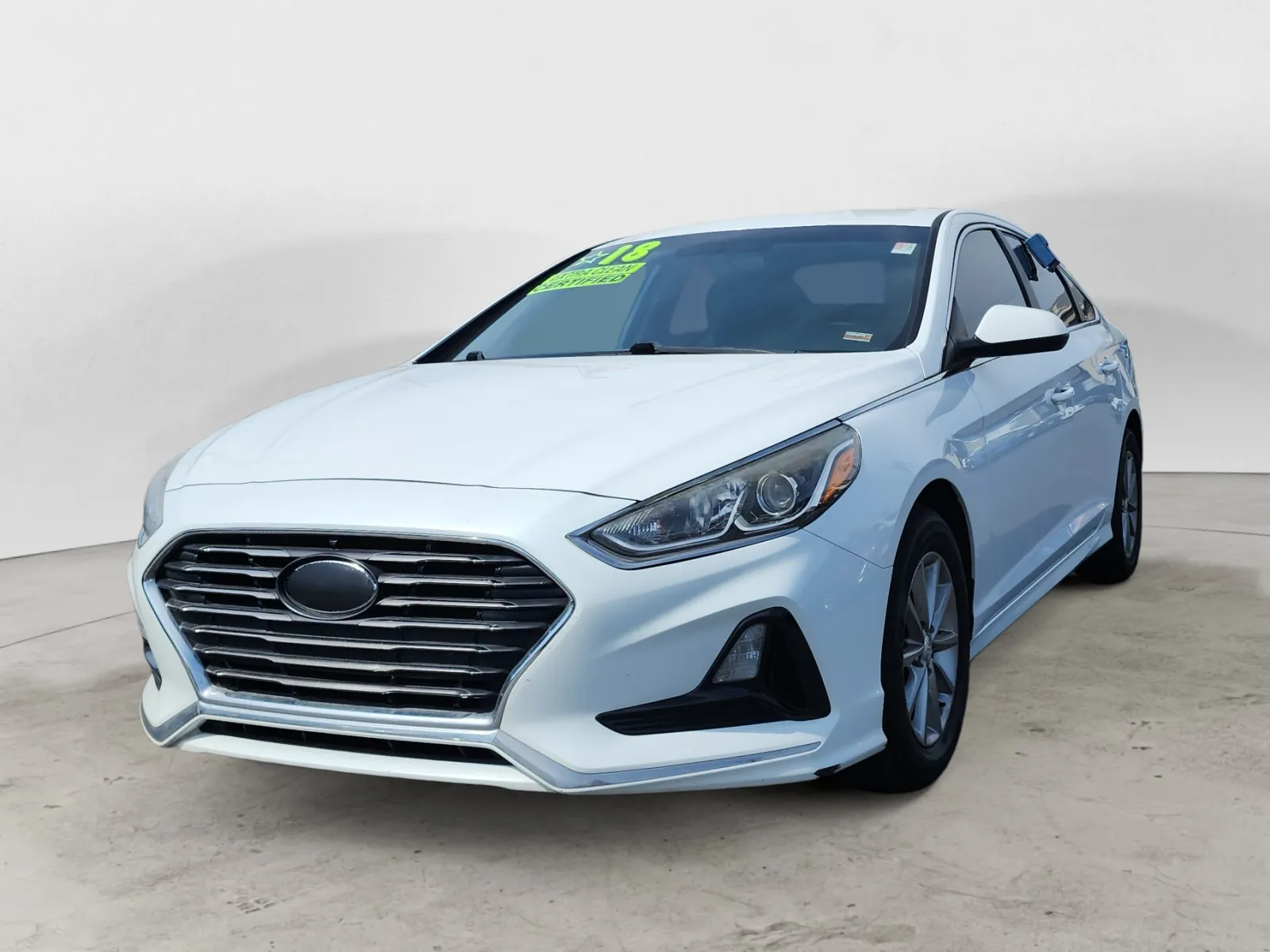
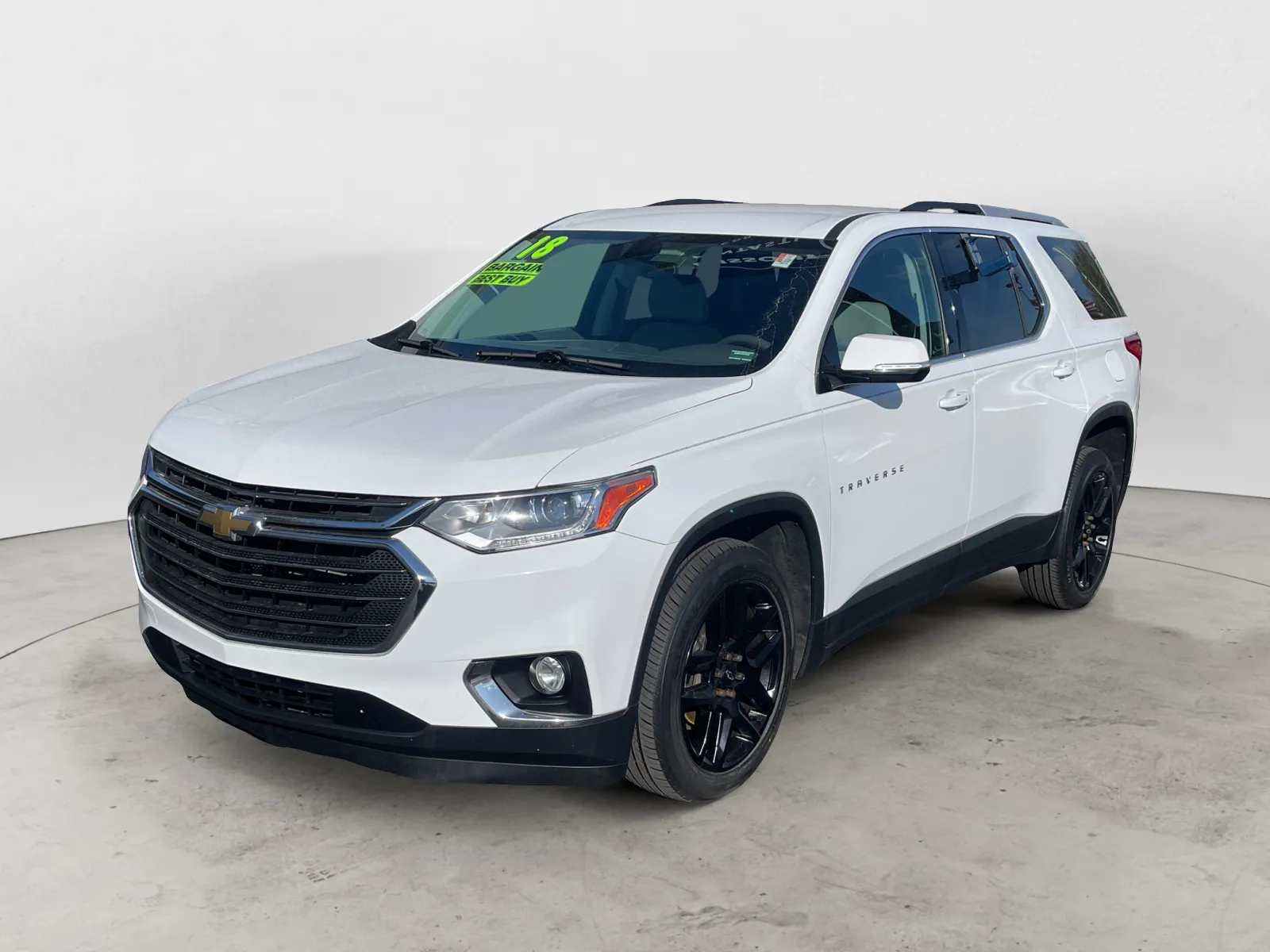
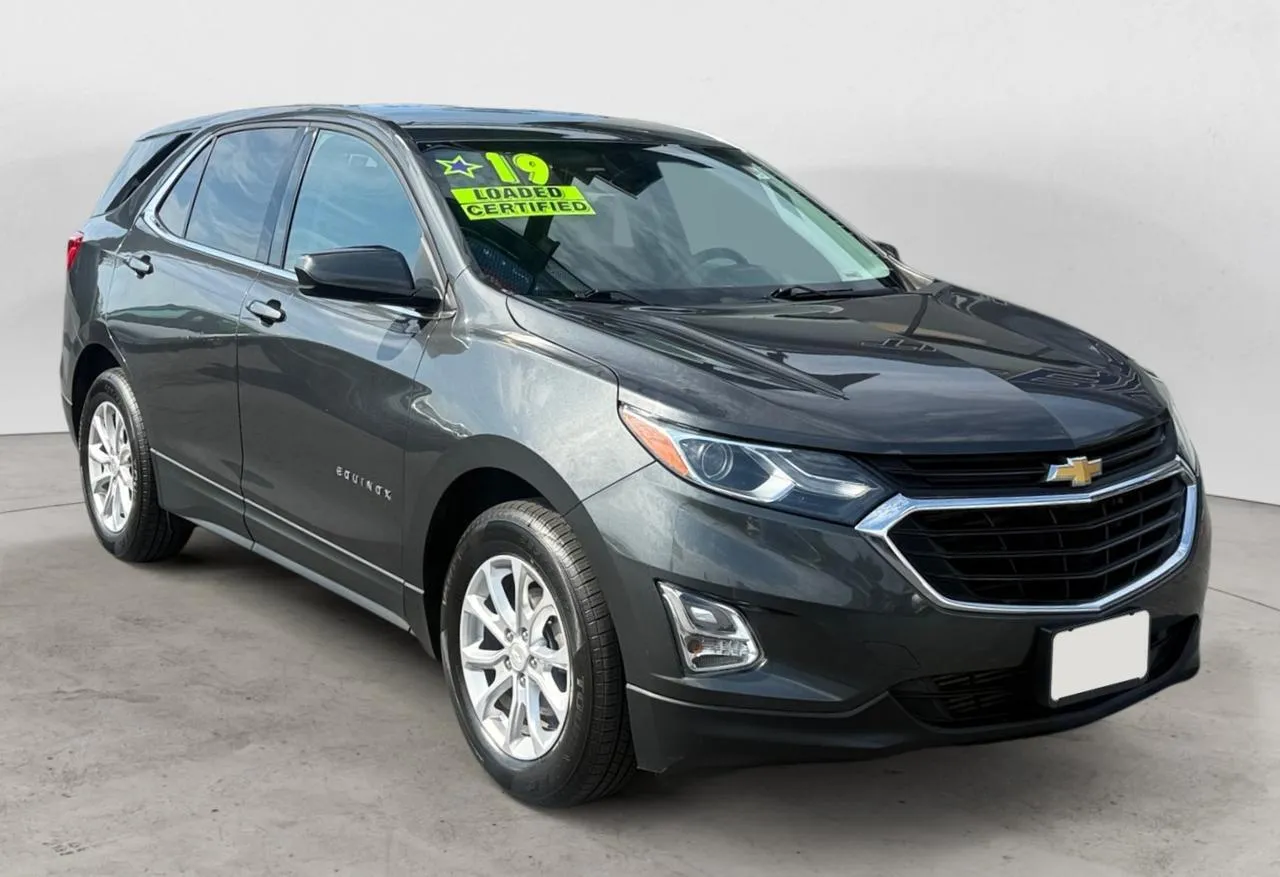
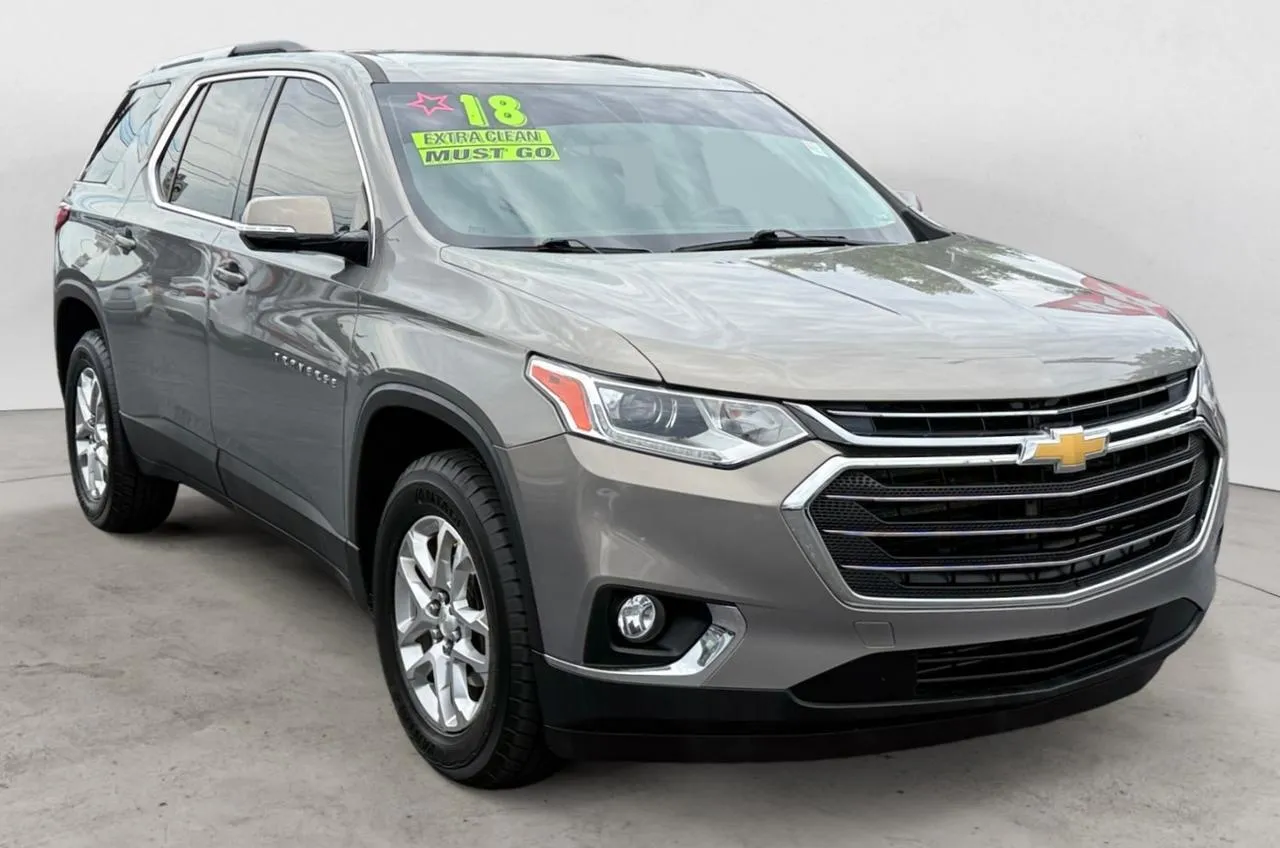
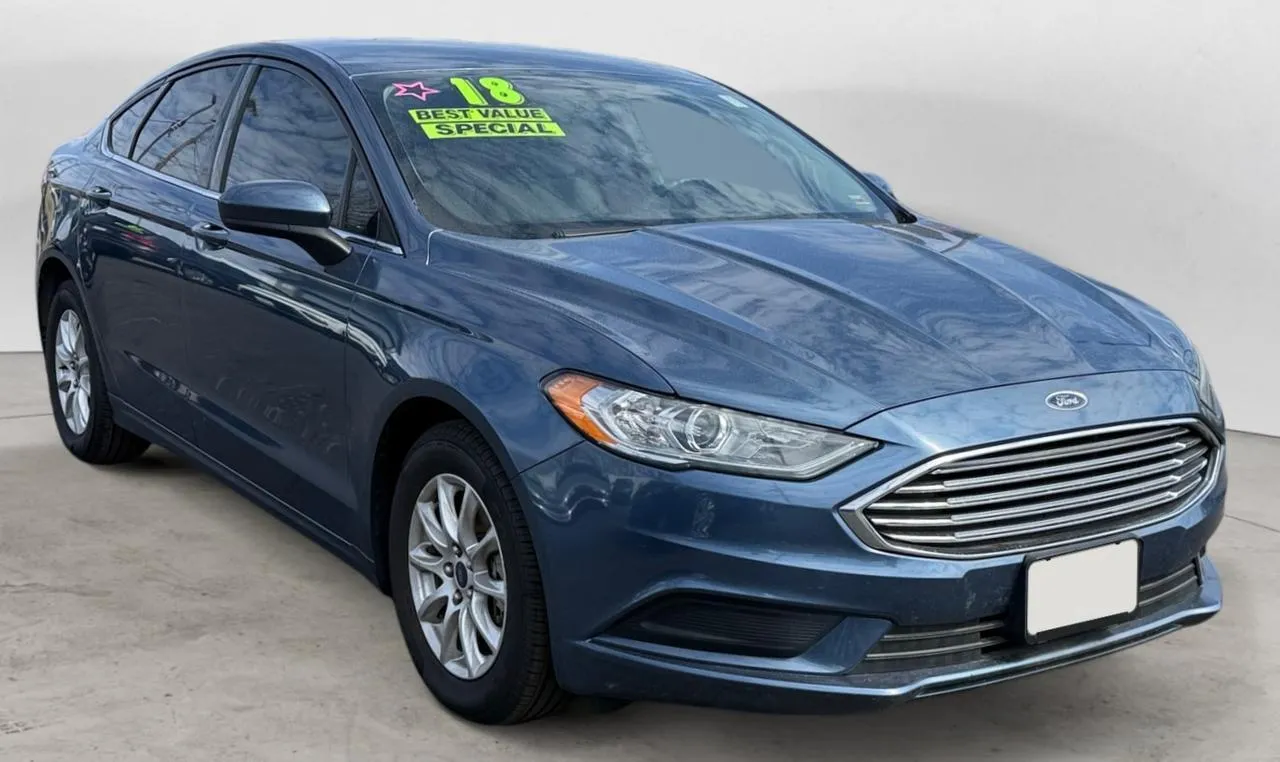
Most of our pre-owned inventory falls in the 80,000 to 130,000 mile band, and that is deliberate. It is the range where a dependable crossover or sedan is still affordable for a Kansas City budget without being worn out.
The number worth watching
Stop asking how many miles are on it and start asking what the next 30,000 miles are likely to cost. A well maintained vehicle with 115,000 miles and a folder of receipts is a better buy than a neglected one with 70,000 and no history. Browse what is on the lot or call (816) 241-5100 and ask us what we know about any vehicle you are considering.